
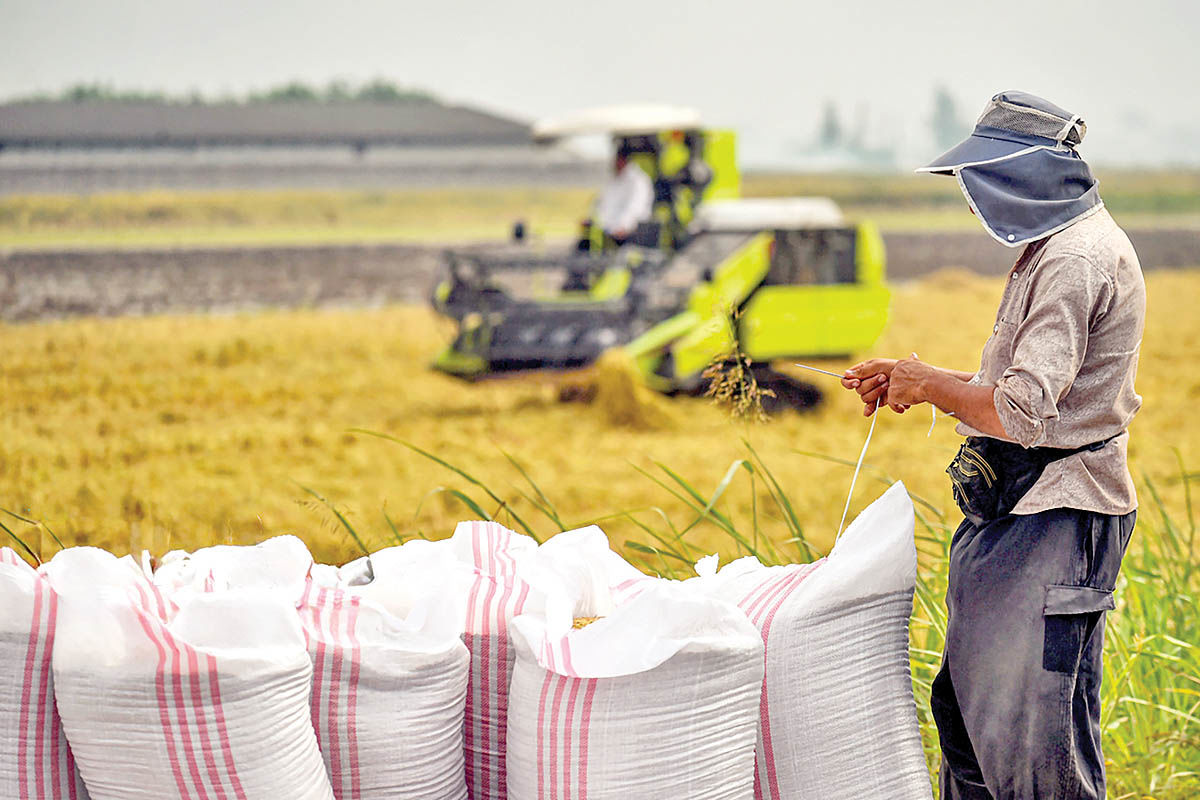
A sharp rise in fertilizer prices in Iran has once again pushed production costs to the center of concerns in the agricultural sector, raising fears about the future of crop output and food security.
The Ministry of Agriculture released new fertilizer prices on May 2, showing a dramatic jump in the cost of key agricultural inputs. Under the new pricing list, triple superphosphate fertilizer is now priced at more than 1.432 million rials per kilogram, while a 50-kilogram bag costs over 71 million rials ($39). Potassium sulfate is priced above 68 million rials ($38) per bag, granular potassium chloride exceeds 46 million rials ($26), 25% phosphate fertilizer costs more than 50 million rials ($28), and simple phosphate fertilizer is priced above 33 million rials ($18).
The increases reflect an estimated 500-600% surge in fertilizer costs compared with last year, adding fresh pressure on Iranian farmers already struggling with high inflation, currency volatility and war-related disruptions.
The spike comes after the government removed preferential foreign exchange rates and moved toward a more market-based currency system. At the same time, regional tensions, disruptions in trade routes and rising transportation costs have added to the burden facing agricultural supply chains.
Industry insiders warn that the impact goes far beyond higher prices. Expensive fertilizer could force farmers to reduce usage, lowering crop yields and weakening agricultural productivity in the coming seasons. Input suppliers are also facing mounting financing challenges, higher import costs and difficulties securing raw materials.
The crisis is not limited to Iran. Global fertilizer markets have also experienced sharp volatility in recent months as tensions around the Strait of Hormuz disrupted the movement of ammonia, sulfur and petrochemical feedstocks. International organizations, including the International Monetary Fund, have warned that prolonged instability in the region could threaten global food security and economic growth.
Unusually Difficult Environment
Iran Chamber of Commerce, Industries, Mines and Agriculture Vice Chairman of the Agriculture Commission Haman Hashemi said the overlap between Iran’s currency reforms and the recent conflict created an unusually difficult environment for producers.
“In the new year, fertilizer prices supplied through the government distribution network increased roughly six to seven times,” Hashemi told Donya-e-Eqtesad newspaper. “In other words, agricultural fertilizer prices experienced growth of nearly 500 to 600%.”
He argued that part of the increase was unavoidable after the government decided to liberalize the exchange rate system.
“When currency liberalization takes place, some sectors naturally face pressure before prices reach a new balance,” he said. “But this policy coincided with the third imposed war and severe disruptions in maritime trade, making conditions far more difficult.”
According to Hashemi, the main challenge now is the instability affecting imports, foreign payments and the supply of petrochemical materials needed for fertilizer production and packaging.
“Today, currency transfers, foreign relations, raw material purchases and even packaging have all become more complicated,” he said. “This has created serious concerns among agricultural businesses about securing inputs under reasonable conditions.”
Hashemi also stressed that fertilizer inflation has become a global issue because of the importance of the Strait of Hormuz to global trade flows.
“More than 44% of the world’s sulfur trade passed through Hormuz, nearly 18% of global consumption depended on this route, and over 30% of global ammonia consumption was linked to the region,” he said. “Current conditions in Hormuz have caused major volatility in global fertilizer prices.”
Despite the pressures, agricultural experts believe the crisis could accelerate long-term reforms in Iran’s farming sector. Policymakers are increasingly being urged to reduce dependence on imported chemical fertilizers and expand the use of domestic biological alternatives.
Hashemi said the government should consider short-term revisions in fertilizer pricing while ensuring fair prices for strategic crops such as wheat and canola. Timely payments to farmers, he argued, would help preserve purchasing power and protect food production.
In the medium term, he called for greater support for knowledge-based companies producing biological fertilizers capable of replacing chemical inputs.
“In the long run, food security can only be protected through diversified supply routes, domestic production and stronger support for agricultural producers,” he said.
He added that Iran has significant potential to develop alternative supply corridors through northern land borders connected to Central Asia and China, reducing reliance on vulnerable maritime routes.