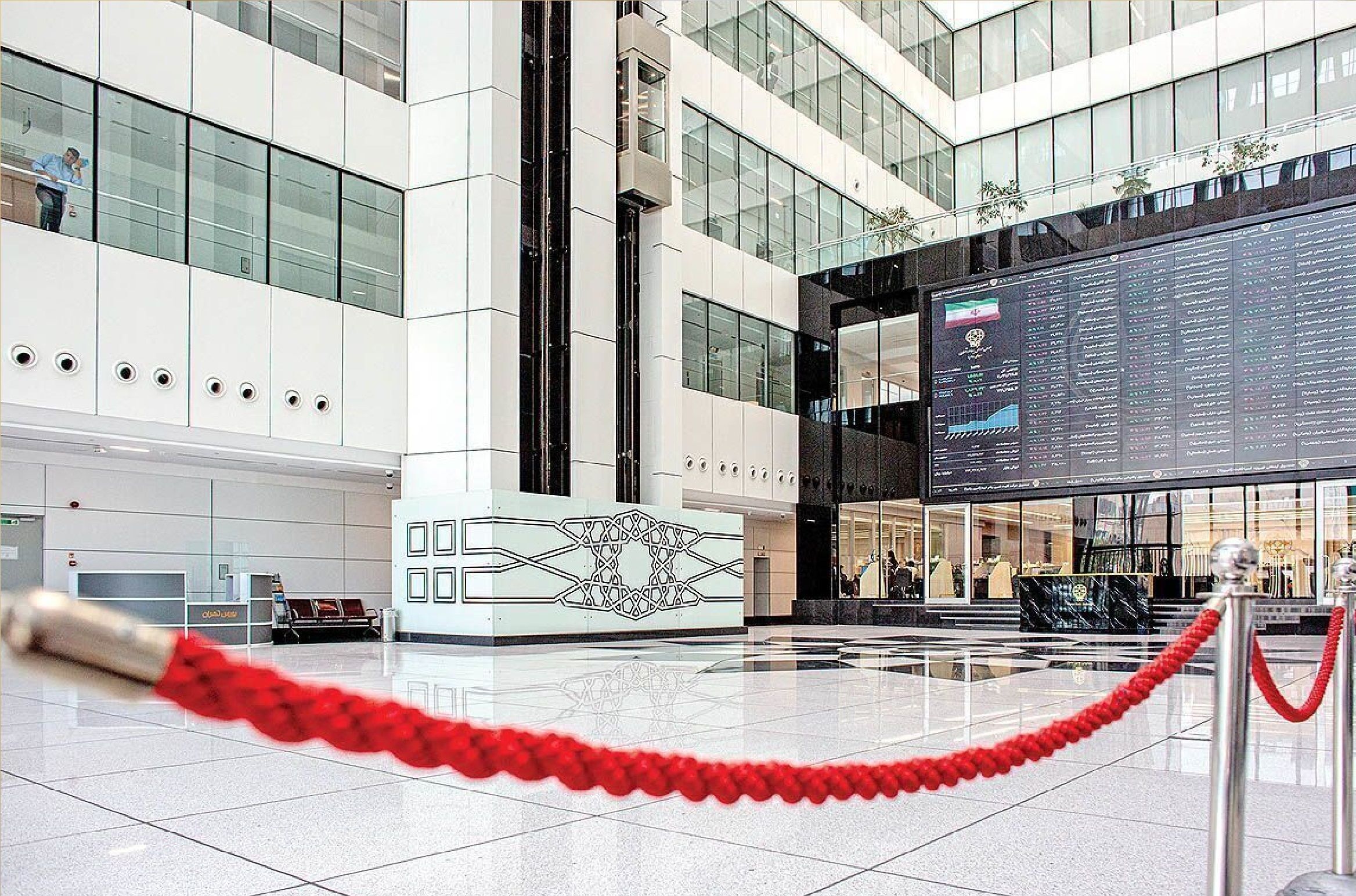
Trading resumed at Tehran Stock Exchange on Tuesday after an 80-day suspension triggered by the outbreak of the conflict involving the United States and Israel against Iran, with investors showing stronger-than-expected appetite for equities despite fears of heavy selloffs.
The reopening marked the first trading session since Feb. 28, when Iranian authorities halted equity trading as regional tensions escalated into direct military confrontation. While some listed symbols remain suspended, the broader market returned to activity with relatively balanced trading conditions.
Initial market data suggested investors had braced for significant pressure. Roughly 10 trillion tomans (about $55.9 million) worth of sell orders appeared during the pre-opening session, though analysts said the volume was not large enough to destabilize the market. Around 3 trillion tomans ($16.8 million) of those orders were tied to leveraged funds, considered among the riskiest investment vehicles in the market.
Contrary to expectations, several sectors opened with strong buying queues, including cement, agriculture, livestock farming, pharmaceuticals and real estate development. Telecommunications and food producers later joined the rally as investor sentiment improved during the session.
Intense Volatility
Market volatility was intense in early trading, with many stocks quickly shifting from sell queues to buy queues within minutes. At the start of the session, around 70% of listed stocks were trading lower, but buying momentum gradually strengthened. By the market close, 56% of symbols finished in positive territory.
The benchmark TEDPIX index recovered from early losses and ended the session up 0.07% at 3.716 million points. The equal-weight index gained 0.28%.
Trading turnover in shares, preemptive rights and equity funds reached nearly 17 trillion tomans ($95 million). Retail investors injected about 2.79 trillion tomans ($15.6 million) of net inflows into equities, while withdrawing 4.636 trillion tomans ($25.9 million) from fixed-income funds.
Gold- and silver-backed funds closed lower as the free-market dollar weakened slightly during the session.
Many analysts had predicted that the reopening would require heavy state support to absorb panic selling after the prolonged shutdown. Instead, rising inflation and currency depreciation appear to have encouraged investors to hold onto stocks viewed as undervalued.
When the market last traded in late February, the US dollar was changing hands near 165,000 rials in the open market. It is now trading around 180,000 rials, leading many investors to reassess equity valuations.
Inflation has also accelerated sharply during the market closure. Iran’s Statistical Center recently reported annual point-to-point inflation at 73.5% for the first month of the current Iranian year, with food prices rising even faster.
Those inflationary pressures helped boost shares of food producers, agricultural firms and livestock companies. Cement stocks also attracted demand amid expectations of higher reconstruction needs following damage caused by the recent conflict. Pharmaceutical companies gained after receiving substantial price increases earlier this year that had not yet been fully reflected in stock prices.