
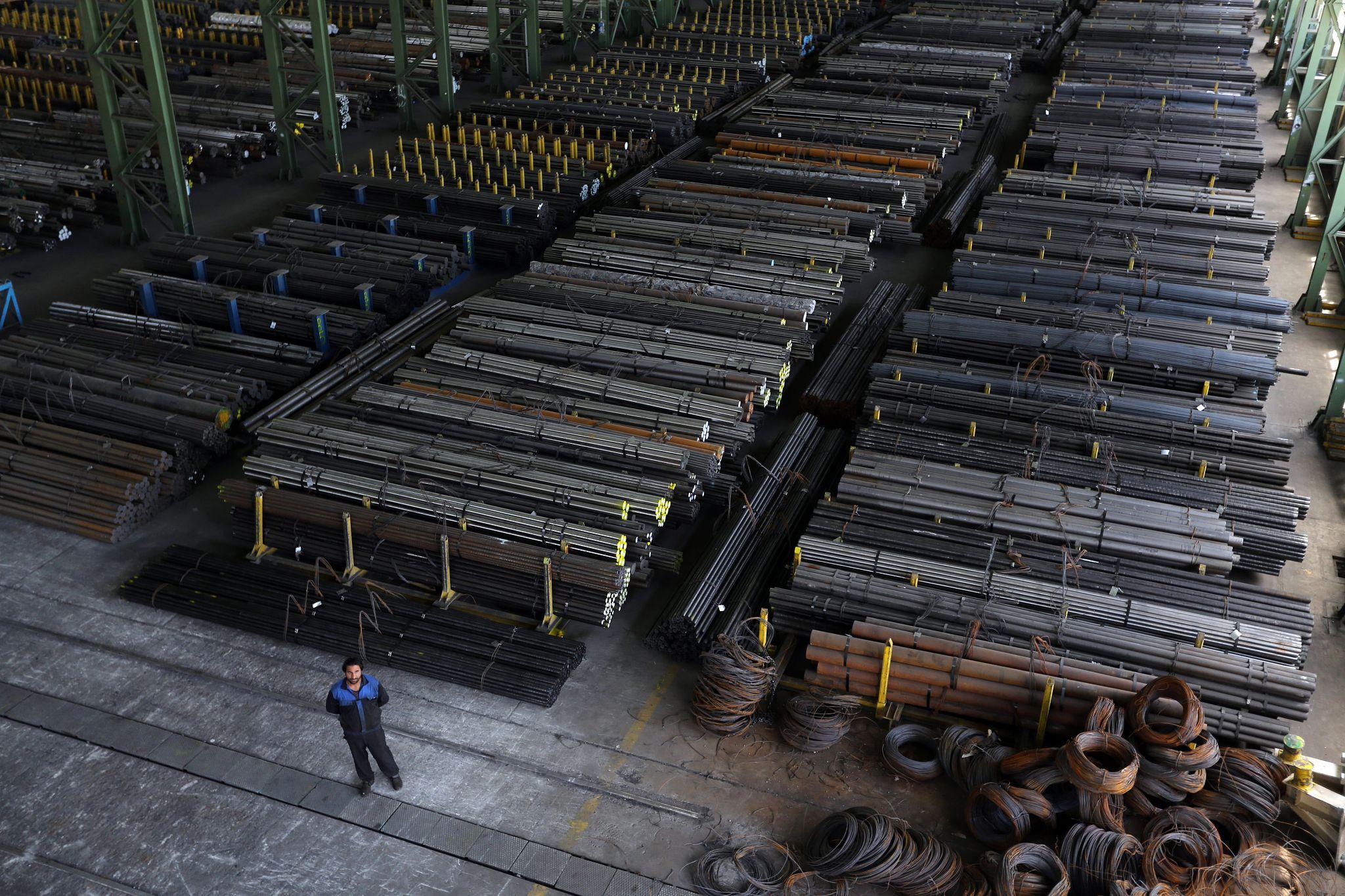
Iran is expected to gradually lift export restrictions on downstream steel and petrochemical products in the coming months following recent disruptions affecting parts of its industrial sector, including reported damage to some production facilities.
The restrictions had been introduced to secure domestic supply under emergency conditions, but officials now say efforts are underway to stabilize production and maintain access to key export markets, especially in neighboring countries.
Abdolamir Rabihavi, director general for West Asia at Iran’s Trade Promotion Organization, said the government is hopeful that export limits on downstream petrochemical and steel products will be eased in the coming months. “We hope that with the planned measures these restrictions will be lifted,” he said, stressing the importance of balancing domestic needs with stable exports to neighboring markets.
Agricultural exports were also managed under emergency conditions, with authorities allowing surplus output to be shipped abroad after domestic needs are met, in order to preserve key regional markets.
Rabihavi highlighted trade fairs, foreign pavilions and business delegations as tools to expand exports. Licensing for trade missions and international exhibitions is continuing, while regional trade offices are coordinating with commercial attachés abroad. Joint commissions with countries such as Tunisia, Niger, Nigeria and Oman are close to finalization, aiming to deepen structured economic cooperation in the second half of the year.
He added that border provinces including Hormozgan, Khuzestan, Kordestan, Ilam, Kermanshah and West Azerbaijan are being assessed for export and import capacity, with plans to facilitate the flow of essential goods and raw materials through border routes.