
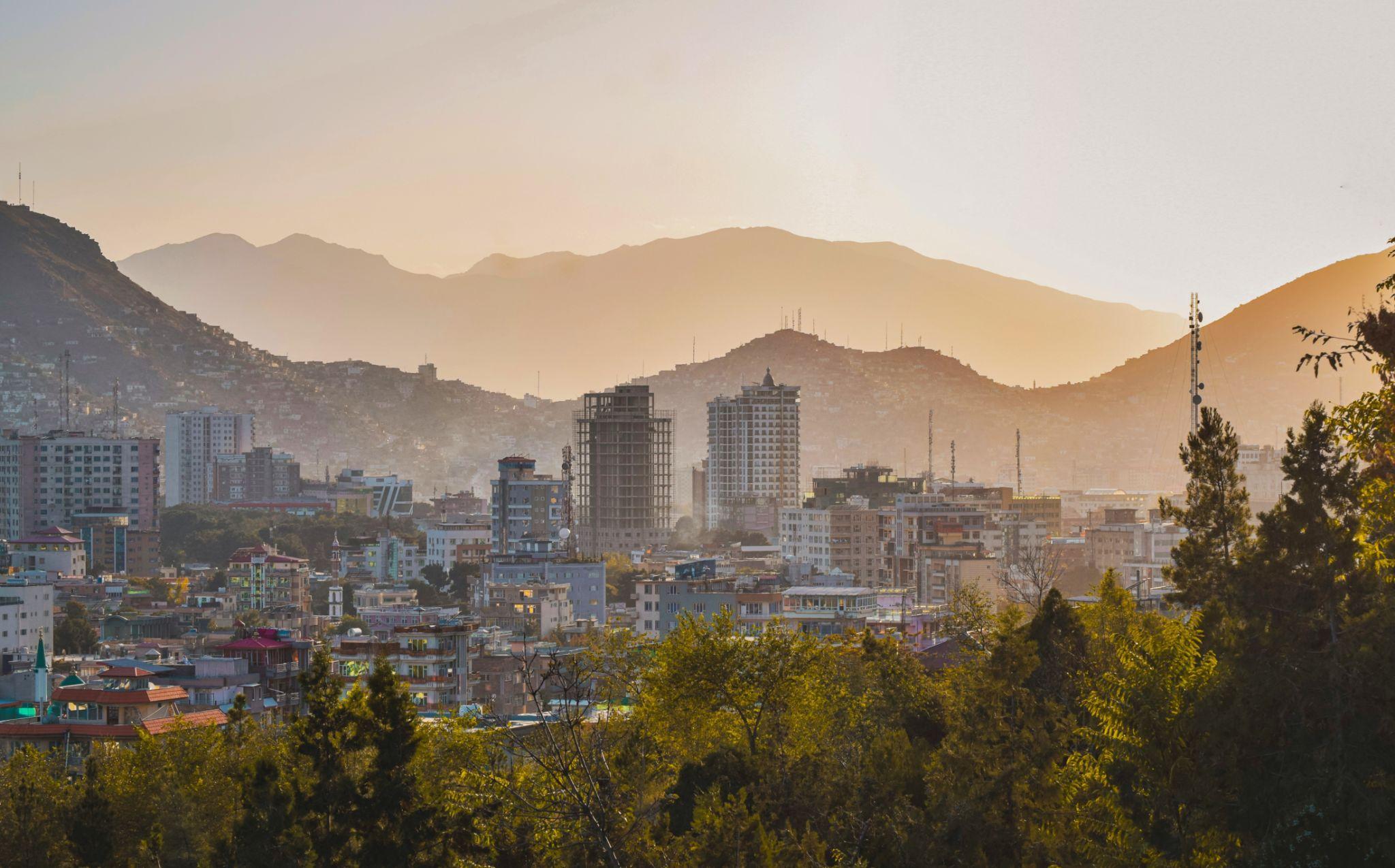
Afghanistan is slowly emerging as an unexpected destination for regional professionals. After years of economic collapse and political instability, the country has entered a fragile recovery phase, with growth turning positive again and interest rising in sectors such as digital services, startups and financial technology.
For Iranian specialists working in the digital economy, the shift is creating new opportunities just across the border.
Although Afghanistan still faces major political and economic challenges, many analysts believe its young population, growing demand for online services and largely untapped digital market could turn the country into one of the region’s emerging technology hubs.
Business activists familiar with the Afghan market say demand for digital infrastructure and online businesses has increased steadily in recent years. Part of this trend is linked to Afghanistan’s large diaspora community. Many Afghans living abroad continue to invest in local businesses or hope to return in the future, boosting interest in technology, e-commerce and modern financial services.
The country’s digital economy remains underdeveloped compared with neighboring markets, but that is precisely what attracts entrepreneurs and investors. Large parts of the market are still underserved, creating room for rapid growth in online platforms, fintech services and technology startups.
For Iranian professionals, Afghanistan offers another advantage: cultural and linguistic proximity. Shared language and social similarities reduce many of the barriers that usually complicate labor migration. Persian-speaking specialists in software development, digital marketing and startup management can often integrate into Afghan business environments more easily than in more distant markets.
At the same time, digital economies across Central and South Asia are expanding rapidly. Young populations and rising internet usage are increasing demand for skilled technology workers faster than local labor markets can fully supply. As a result, neighboring economies are becoming increasingly attractive destinations for remote work, consulting and business development.
Still, Afghanistan’s recovery remains highly fragile. Macroeconomic indicators show the country has experienced a turbulent decade. Between 2014 and 2019, Afghanistan’s economy recorded modest growth, generally fluctuating between zero and 5%. But after 2020, economic conditions deteriorated sharply. Growth plunged into negative territory and reached nearly minus 21% in 2021 following the Taliban’s return to power.
Recent data from 2023, however, suggest the economy has started stabilizing again. Some analysts believe the recovery could continue if domestic security conditions remain relatively stable and regional trade ties improve.
Inflation trends also reflect this transition. Consumer prices remained relatively moderate for much of the past decade, but political instability after 2021 pushed inflation to around 14% before gradually easing again.
Foreign investment, however, remains weak. External capital inflows have declined sharply over the past several years as political uncertainty and restrictions on social freedoms continue to discourage many international investors.
Energy costs are another major obstacle. Expensive electricity and weak infrastructure increase operational expenses for businesses, especially technology firms that rely heavily on stable internet access and reliable power supplies.
Long-Term Potential
Despite these challenges, some regional investors still view Afghanistan as a frontier digital market with significant long-term potential.
For Iran, the migration of skilled workers to neighboring economies presents both opportunities and risks.
On one hand, labor migration can function as a form of service export. Iranian professionals working abroad may send part of their income back home, helping generate foreign currency inflows and support domestic consumption.
On the other hand, migration may also contribute to capital flight and weaken domestic investment if entrepreneurs and technology specialists relocate both their businesses and savings abroad.
Ultimately, the decision of skilled workers to stay or leave will depend less on geography and more on economic predictability. Stable macroeconomic conditions, reliable internet access and stronger support for innovation may determine where the region’s digital talent chooses to build its future.