
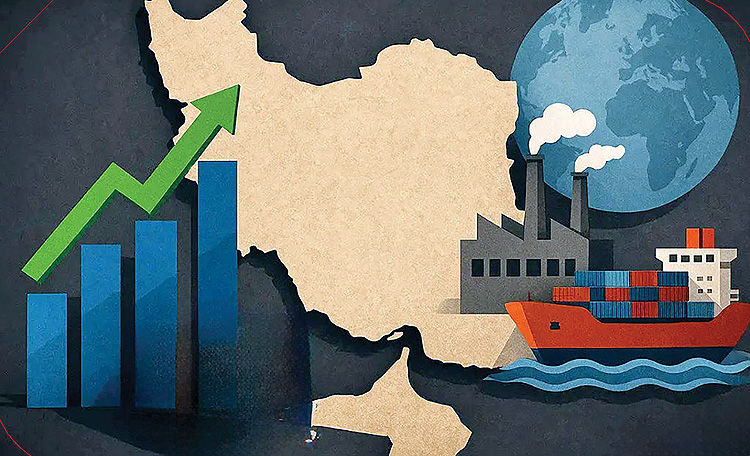
Iran is at a historic crossroads. A durable nuclear deal following recent tensions with the US could reduce uncertainty, attract investment and ease sanctions, creating a path toward economic recovery. Yet without deep domestic reforms, any improvement is likely to be short-lived. The country now faces a defining moment where external diplomacy and internal policy must move together.
Even before the latest conflict, Iran’s economy was struggling with long-standing structural challenges. Chronic inflation, persistent energy imbalances, environmental stress, structural budget deficits and a fragile banking system had already constrained growth. These issues reduced investment, weakened productivity and put sustained pressure on living standards. Now, with the added costs of conflict and external pressure, the need for a decisive shift in economic direction has become more urgent than ever.
If the phase of direct confrontation is indeed easing, the key question becomes what comes next. Turning this fragile moment into an economic opportunity could be the most important step forward. A stable agreement to resolve the nuclear issue is no longer just a political goal—it is an economic necessity. Iran needs investment, stability and reintegration into the global economy to move beyond its current constraints.
Useful Lessons
History offers useful lessons. Several countries began their development journeys after emerging from periods of war or crisis. Germany, Japan and South Korea, for example, did not simply benefit from the end of conflict. They used it as a platform for structural reform, institutional rebuilding and deeper global engagement. Their experience shows that recovery depends not only on peace, but also on policy choices made afterward.
A similar logic applies to Iran. A credible and lasting agreement could significantly improve the economic environment. One of its most immediate effects would be a reduction in uncertainty, a key factor shaping investment decisions. When businesses lack confidence in the future, they delay investment or shift toward short-term, non-productive activities. Greater stability in foreign policy could gradually reverse this trend.
However, an agreement alone is not enough. Iran must simultaneously pursue internal reforms to fully benefit from any external opening. Measures such as improving the business climate, reforming the banking sector, controlling inflation and addressing fiscal imbalances are essential. Without these steps, even sanctions relief would not translate into sustainable growth. In other words, foreign policy progress without domestic reform—and vice versa—will not deliver meaningful results.
Another key issue is whether foreign investors would be willing to enter a market with a history of volatility. The answer depends largely on policy credibility. Investors seek both returns and security. If Iran can offer transparent legal frameworks, relative policy stability and access to markets, its attractiveness could increase. International experience suggests that even high-risk economies can gradually rebuild investor confidence through consistent reform.
Major Driver
Sanctions relief itself would be a major economic driver. Restrictions have limited Iran’s access to global markets and financial resources while increasing transaction costs. Easing these constraints could boost trade, expand exports and facilitate access to capital and technology. Additionally, the release of frozen assets—often estimated at around $20 billion—could provide a short-term stimulus. However, the impact of such resources will depend on how they are used. If directed toward productive investment and infrastructure, they could support growth; if mismanaged, they risk fueling inflation.
At the same time, Iran’s need for investment is not new. Even before recent tensions, the economy required substantial capital to maintain production, create jobs and improve efficiency. Estimates suggest that the energy sector alone may need around $100 billion in investment to reach optimal performance. Today, that need is likely even greater. Infrastructure, industry and services all require modernization, which cannot be achieved without financial resources and technology transfer.
With a stable and lasting agreement, Iran could experience a meaningful economic rebound. Such a transformation would not happen overnight. It would require coordinated policies, sustained reform and long-term planning. Increased investment, higher productivity, stronger exports and deeper integration into global value chains could gradually reshape the economy. But all of these depend on one key condition: trust.
Cost of Delay
If this opportunity is missed, the consequences could be severe. Continued tensions, limited access to trade and capital, rising uncertainty and the risk of deeper recession would all become more likely. Managing existing challenges would become even harder under such conditions.
Ultimately, the idea of “winning” in this context should be understood realistically. A lasting success is not about one side achieving all its demands. Instead, it lies in reaching a balanced agreement that serves the economic and security interests of all parties and can endure over time. Such an outcome would not only prevent renewed tensions but also open the door to broader cooperation.
Many countries have turned crises into opportunities for transformation. For Iran, this moment could serve as a similar turning point. But success will depend on bold decisions, a long-term perspective and alignment between domestic and foreign policies. If these elements come together, the country could move beyond its current challenges and begin a new phase of sustainable growth.