
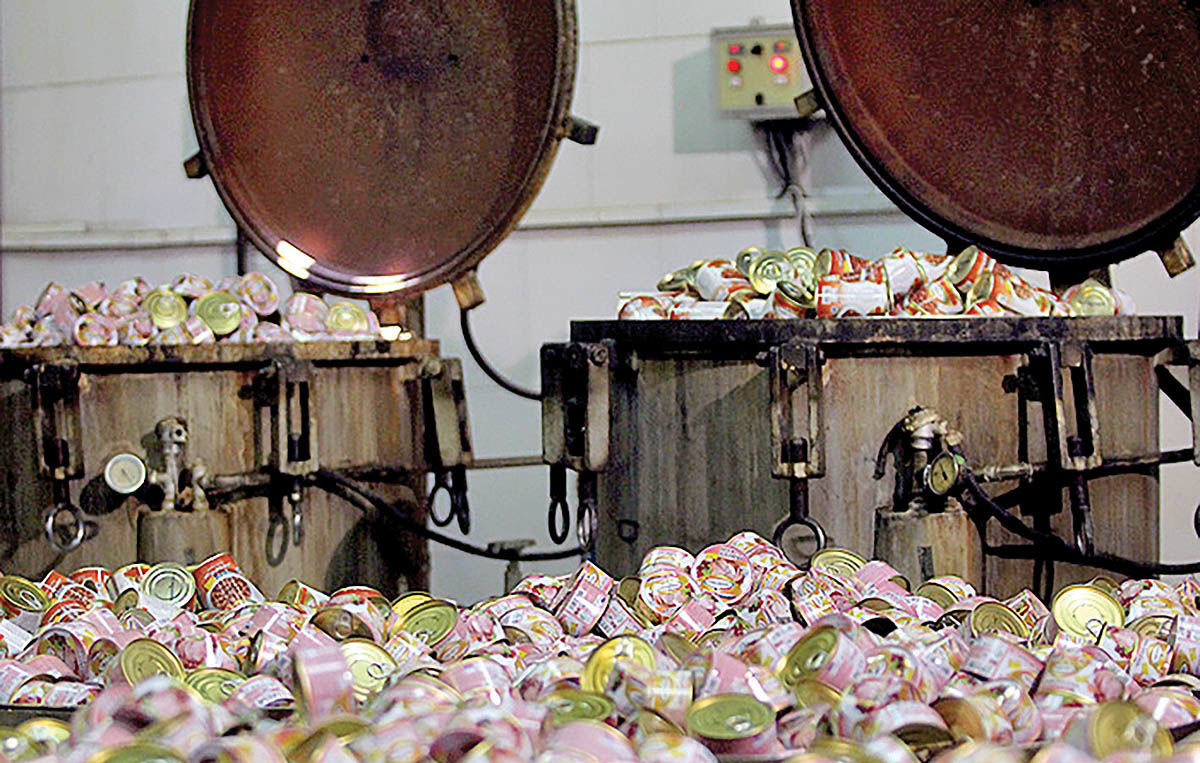
Iran’s food industry has maintained production during more than a month of conflict, but mounting financial, logistical and supply-chain constraints are raising concerns about the sector’s sustainability.
Food manufacturing plays a critical role in ensuring national food security, and factories have remained operational despite wartime disruptions. However, industry insiders say many of the sector’s current challenges predate the conflict, stemming from currency restrictions, subsidy reforms, rising production costs and energy supply limitations.
The removal of preferential foreign exchange rates in recent months has significantly increased the cost of imported raw materials, placing additional pressure on producers already struggling with limited access to working capital. Banking constraints have further restricted companies’ ability to secure financing, forcing some firms to continue production with minimal or no profit margins.
Following recent attacks on key industrial infrastructure, particularly in petrochemicals and steel, new risks have emerged for food producers. These sectors supply essential materials for packaging, and any prolonged disruption could lead to shortages in packaging inputs, both domestically produced and imported.
Authorities have taken steps to mitigate disruptions, including facilitating imports of raw materials and expediting customs clearance. Industry representatives say government task forces have been actively monitoring supply chains to ensure continued production and distribution of essential goods.
“Despite all challenges, food production has continued to meet basic needs,” said Amir Yousofi, a representative of Iran’s food industry commission at the Chamber of Commerce. He noted that emergency conditions have inevitably disrupted normal economic activity, but coordinated efforts have helped sustain output.
In the dairy sector, producers report relatively stable production levels so far, as many companies had secured imported inputs in advance. Larger firms also rely on integrated supply chains or long-term contracts with domestic suppliers, reducing immediate vulnerability.
However, concerns persist over future shortages, particularly in packaging materials such as sterile cartons and PET, which depend partly on imports and petrochemical output. Disruptions in imports from regional hubs and uncertainty over domestic supply have heightened these risks.
Changes in consumption patterns have also been observed, with demand shifting toward larger package sizes as households consolidate purchases during the crisis.
Industry players emphasize that continued policy support—particularly in taxation, financing and energy supply—will be essential to maintain production and prevent disruptions to food availability in the months ahead.