
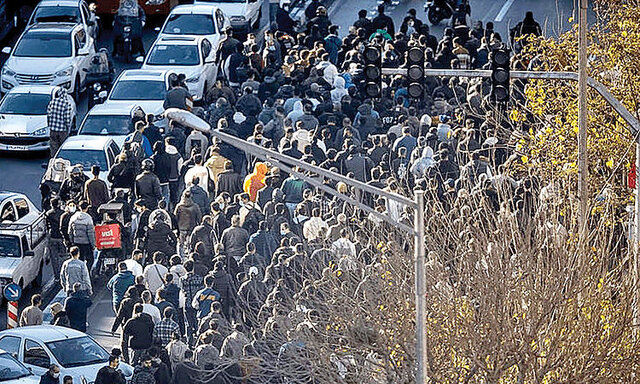
It is over two weeks that protests, which first broke out following strikes by shopkeepers over the dramatic fluctuations in the foreign exchange market and rising prices that dampen people’s demand for goods, have swept through Iran and turned violent in many towns and cities. The question that comes to the mind these days is what reasons are behind the ongoing crisis. One of the main issues which has been raised frequently is the economic complications facing the country.
Economists had warned for years about structural problems gripping Iran’s economy and stressed the need for implementing sweeping economic reforms. However, policymakers had in practice ignored these warnings and postponed essential modifications.
In interviews with Donya-e-Eqtesad, economic experts have examined the root causes of the current critical situation and proposed solutions to policymakers to weather the raging crisis.
Nima Mahdavi, an economic expert, believes the role of hard living and economic conditions in the current protests is evident.
He explained that Iran’s national income has slipped by 35 percent over the past years and this slump has put low-income families under immense pressure and overshadowed the living standard of the middle class. “In fact, the middle class have come closer to the poverty line and there is evidence that various classes of the society have been severely hurt.”
He pointed to the Welfare Ministry’s reports and said the poverty rate has jumped to 44 percent now, while the rates in 2011 and 2017 were about 16 and 23 percent respectively, adding that two major rounds of sanctions have pushed the poverty rate to a record level.
Need for Diplomatic Breakthrough
On the possible solutions that policymakers can adopt to redress the situation, Mahdavi said that in his view the economic conditions have deteriorated to a level that there is no hope to fix them without revising the country’s foreign policy.
“Our resources have diminished and without a breakthrough on the foreign policy front, especially without removing the specter of military conflicts over the country, there is no way out of this grave situation,” he said, stressing that economic growth without investment is impossible and in war conditions, any boost to investment is out of question.
Reza Ahmadi, another economic expert, maintains that the protests are multi-faceted and cannot be attributed to a single cause, noting that various groups of people are involved in these protests and their concerns are not necessarily similar.
“Some people have political and socials demands, while others have economic grievances, but economic frustration has provided the fuel to ignite the protests,” he said.
On the economic factors behind the unrest, the expert said the inflation rates of over 30 percent over the past seven years have created massive discontent. “Such an inflation is fatal, and the leaps in the exchange rate of foreign currencies (against the rial), have fanned the flames of this critical situation.”
He also said figures indicate that the growth of private expenditure over the past quarters has been in the negative territory, which shows that people have to reduce consumption and their welfare has been negatively affected.
Asked how the ongoing crisis can be addressed, Ahmadi said in the long term, improving freedoms and enhancing the efficiency of policymaking could be effective, adding that in the mid-term, some freedoms need to be offered to the people at least in one of the economic, social or political areas.
He lamented that the reforms that are now carried out by the government are out of compulsion, and not by choice. “This year, the government has been confronted with war and critical conditions, so it has been forced to deploy some reforms.”
He added that the government must press ahead with these reforms, try to improve various types of freedoms and make up for harms inflicted on the people to help them demonstrate resilience in the face of drastic reforms.