
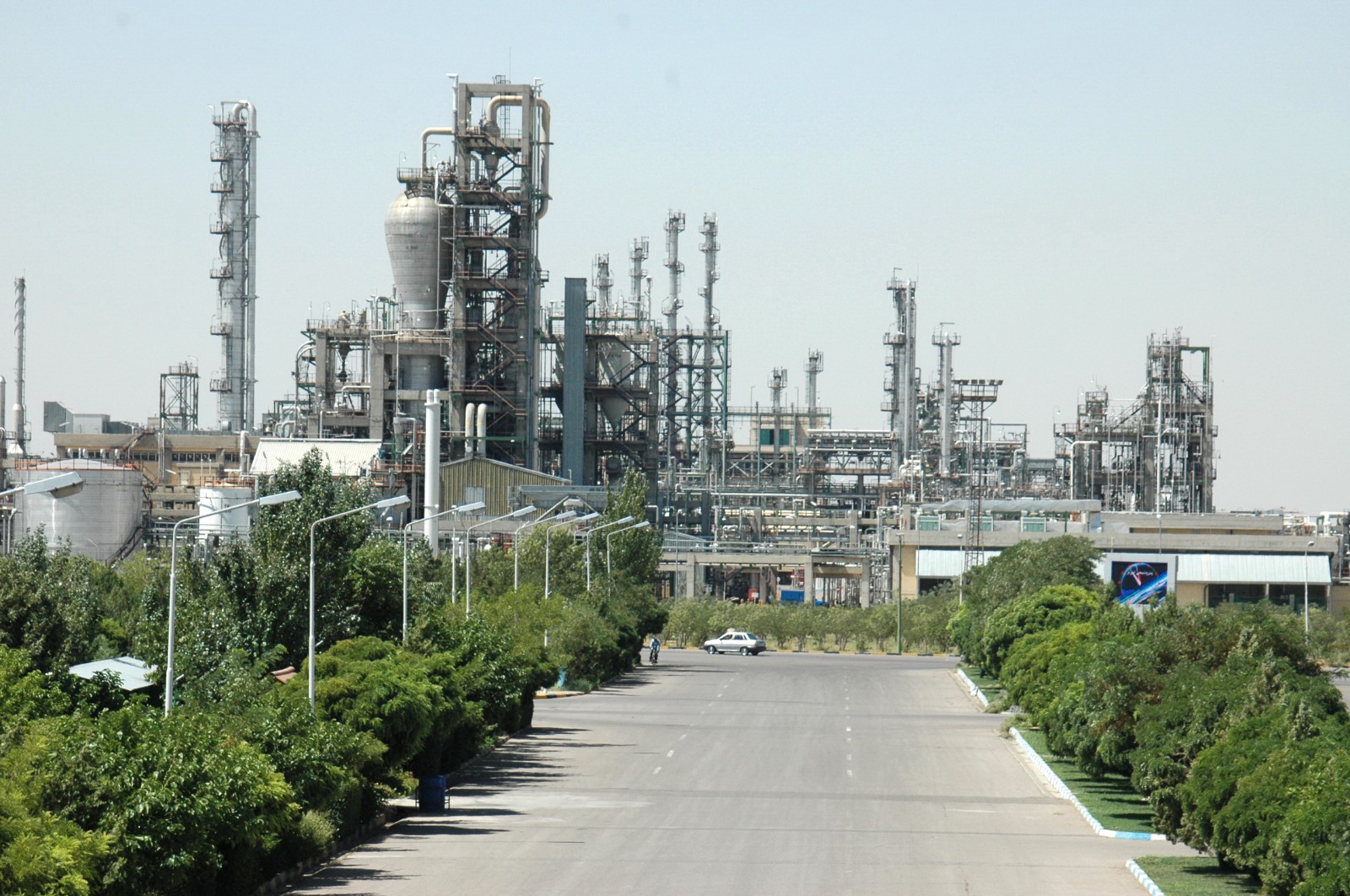
Despite ongoing geopolitical tensions and the strains of regional conflict, Iran’s petrochemical industry has demonstrated remarkable resilience, maintaining growth in both production and exports.
Hassan Abbaszadeh, CEO of the National Petrochemical Company (NPC), reported that in the first eight months of the current Iranian year (March–November 2025), the country produced approximately 54 million tons of petrochemical products, up from 53 million tons during the same period last year, Shana reported.
“Under normal circumstances, production could have reached an additional 7–8 million tons,” Abbaszadeh noted, highlighting the impact of the extraordinary conditions under which the sector is operating.
Export volumes have also risen. Over the same eight-month period, Iran shipped 22 million tons of petrochemical products abroad, up from 21 million tons last year, marking a net increase of one million tons despite the challenging environment.
However, Abbaszadeh pointed out that average global prices for petrochemical products have declined by around 8 percent, influenced by factors such as oil price fluctuations and increased Russian market penetration in regional supply chains. Consequently, export revenues for the eight-month period totaled $8.8 billion, slightly below last year’s $9 billion, though officials remain hopeful that values will rebound in the coming months.
Highlighting the broader macroeconomic impact, Ahmad Mahdavi Abhari, secretary-general of the Petrochemical Employers’ Association, stated that the industry contributed $6.7 billion in foreign currency to Iran’s central gold and currency system over the first nine months of the year. “More than 98 percent of the industry’s foreign exchange obligations have been met,” Mahdavi Abhari emphasized. Of the $26 billion in non-oil exports recorded in the first six months, petrochemicals accounted for $5 billion of the repatriated funds.
Falling International Prices
While global price pressures have constrained revenues, the sector remains robust. The official estimated that in the absence of falling international prices, petrochemical exports could have reached $13.6 billion this year, compared with the projected $11.5–12 billion under current conditions.
He stressed that since the 2010s, Iran’s petrochemical industry has generated over $170 billion in exports, with negligible losses, underscoring its strategic importance to the national economy.
The industry’s role extends beyond exports. Mahdavi Abhari highlighted ongoing investments in gas field development, energy efficiency projects, and electricity generation.
By June next year, the petrochemical sector is expected to supply around 4,500 megawatts of new electricity, supporting national energy infrastructure while simultaneously optimizing gas consumption.
Policy Challenges
However, the sector faces policy and structural challenges. Export tariffs on raw and semi-processed petrochemical products, introduced under Iran’s Seventh Development Plan, risk penalizing the country’s largest exporters.
Mahdavi Abhari warned that the sector requires investment, technology and time to develop value chains, and punitive measures could hinder growth rather than accelerate it.
Reflecting on operational resilience, Mahdavi Abhari praised the Oil Ministry for ensuring uninterrupted energy supply during both a recent 12-day war and ongoing sanctions. “The continuity of oil, gas, and electricity exports, despite all limitations, demonstrates the dedication of managers and teams at every level,” he said.
Finally, he emphasized that current challenges largely stem from historical policy and infrastructure gaps. “We are not assigning blame,” he noted. “Every administration inherits certain deficiencies, but the focus must be on corrective measures and strengthening the sector’s capacity.”
For Iran, a country endowed with significant energy resources, the petrochemical industry remains a cornerstone of economic stability and a strategic lever in navigating both domestic and global pressures.