
Hamid Mollazadeh
More than a decade under layered international sanctions has forced Iran to redesign not only its energy trade routes but also the very concept of energy diplomacy.
Once a conventional oil exporter integrated into global markets, Iran today operates within a constrained, high-risk ecosystem shaped by financial isolation, shipping restrictions, insurance bottlenecks, and geopolitical bargaining. Yet despite these limitations, Iranian oil, gas and petrochemical products continue to find buyers—albeit through narrower, more complex, and often opaque channels.
At the core of Iran’s de facto export network stands China. Beijing has emerged as Iran’s most significant energy customer, absorbing the bulk of its crude oil exports through indirect channels.
These flows are rarely acknowledged in official statistics and are typically routed via intermediaries, rebranded cargoes, or ship-to-ship transfers. Discounted pricing, flexible delivery terms and settlement outside the US-dominated financial system have made Iranian oil attractive to Chinese refiners, particularly independent “teapot” refineries seeking cost advantages.
For Iran, China represents not only a market, but also a strategic hedge against Western pressure—though the relationship is marked by unequal bargaining power, with leverage clearly in China’s favor.
Beyond China, Iran maintains limited but politically motivated energy relationships with countries such as Iraq and Venezuela.
In Iraq, Iranian fuel exports function less as commercial transactions and more as strategic support for an allied government struggling with chronic energy shortages. Payment structures are often deferred, subsidized, or embedded within broader security and reconstruction arrangements.
Venezuela, itself under US sanctions, has engaged in reciprocal energy cooperation with Iran, including swaps of crude oil, condensates, and refinery components. These exchanges reflect a sanctions-to-sanctions survival strategy rather than a scalable export model.
Key Instrument
Barter trade has re-emerged as a key instrument in Iran’s sanctioned economy. Oil and refined products are exchanged for goods, services, or infrastructure projects, bypassing hard-currency transactions that are vulnerable to enforcement.
Iran has explored or implemented barter arrangements involving agricultural products, machinery, construction services, and even technical know-how.
While such mechanisms sustain trade flows, they often suffer from inefficiencies, valuation disputes, and limited liquidity, reducing the net economic benefit compared to cash sales.
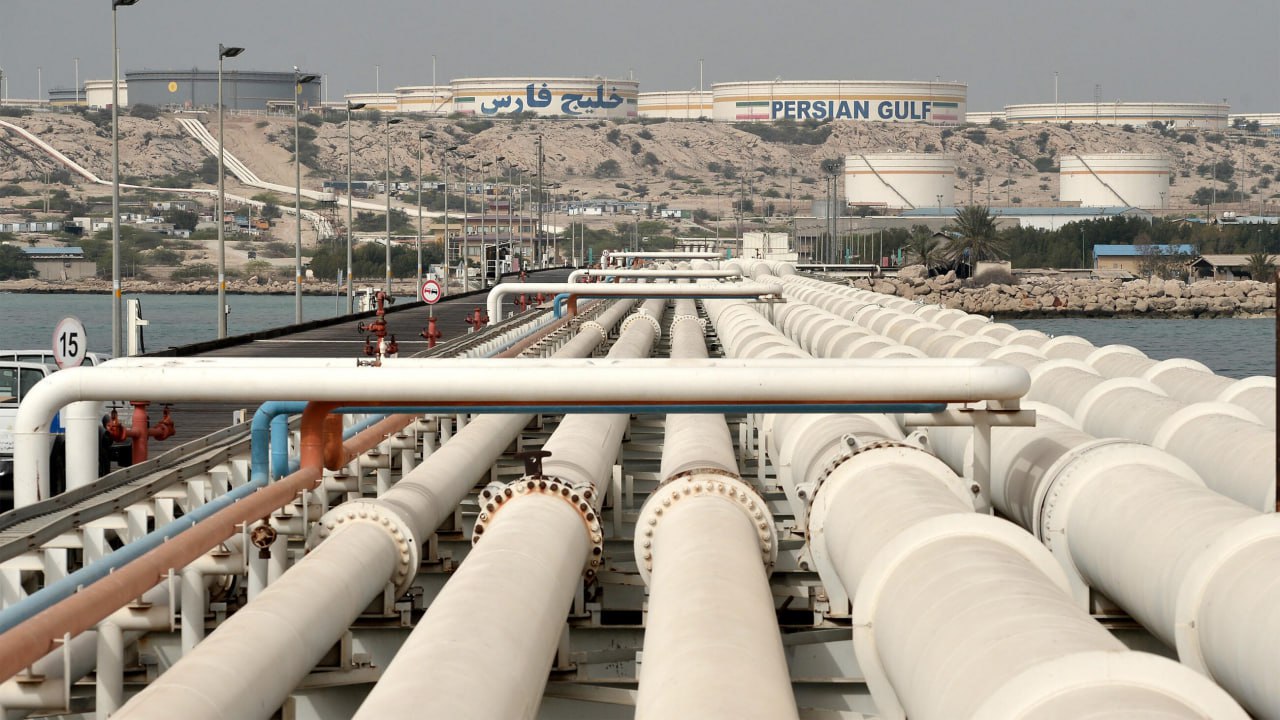
One of the most critical vulnerabilities in Iran’s energy exports lies in logistics. Sanctions have targeted shipping, insurance, and maritime services, forcing Iran to rely on an aging “shadow fleet” of tankers operating with opaque ownership structures, frequent flag changes, and disabled tracking systems.
These practices raise operational risks, including accidents, environmental incidents, and cargo losses. Insurance coverage is often improvised or underwritten domestically, increasing exposure for both Iran and its counterparties. As global enforcement tightens intermittently, shipping costs rise and delivery reliability becomes a growing concern.
Regional pipeline politics offer Iran both opportunities and constraints. Iran possesses one of the world’s largest natural gas reserves, yet pipeline exports remain limited.
Existing flows to Turkey and Iraq provide steady but politically sensitive revenue streams, frequently disrupted by technical issues, payment disputes, or diplomatic tensions.
Long-discussed projects—such as pipelines to Pakistan or Oman—remain stalled due to financing challenges, sanctions risk, and regional geopolitics.
In practice, Iran’s gas diplomacy is constrained not by resource availability, but by infrastructure gaps and the reluctance of partners to circumvent the US sanctions.
Export Landscape
Looking ahead, Iran’s energy export landscape will be shaped by shifting geopolitical dynamics rather than purely market forces.
A potential easing of sanctions—whether through a revived nuclear agreement or incremental confidence-building measures—could rapidly expand Iran’s customer base and restore access to formal shipping and insurance markets.
Conversely, prolonged or intensified sanctions would further entrench reliance on China, deepen discounting and accelerate the wear and tear on Iran’s logistical assets.
Another emerging variable is the global energy transition. As major economies invest in decarbonization, Iran faces the dual challenge of sustaining fossil fuel revenues while preparing for a future of structurally weaker demand growth.
Under sanctions, access to capital and technology for upstream modernization and gas monetization remains limited, risking long-term erosion of export capacity.
In this environment, Iran’s energy diplomacy is less about maximizing volumes and more about preserving strategic relevance. Oil and gas exports function as tools of geopolitical alignment, economic resilience, and regional influence rather than purely commercial commodities.
The question is no longer whether Iran can sell its energy—it demonstrably can—but at what cost, to whom, and for how long under an increasingly fragmented global energy order.