
Iran and Armenia have stepped up consultations to increase electricity imports on a stable basis during the summer of next year, underscoring the growing strategic importance of cross-border energy cooperation as Iran prepares for another season of peak demand.
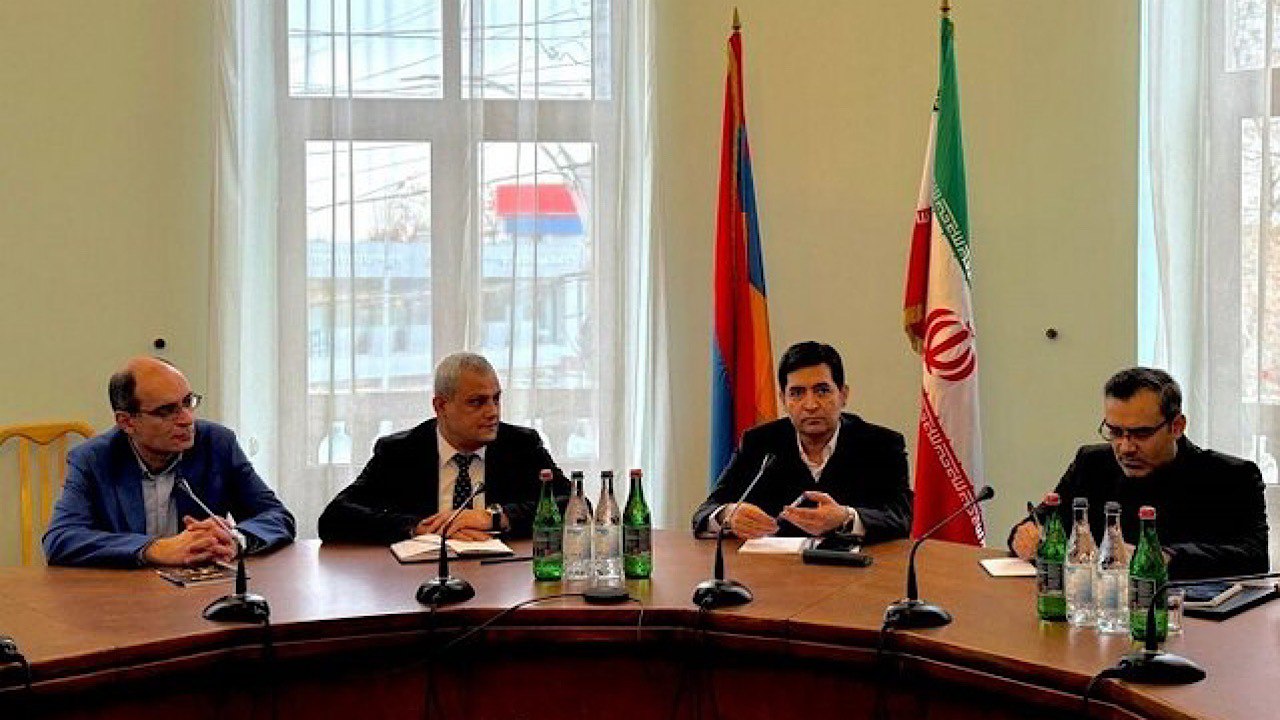
The issue was discussed at the fifth meeting of the Joint Committee for the Operation of Power Grids of the Islamic Republic of Iran and the Republic of Armenia, held on December 11 in Yerevan.
The meeting brought together senior officials from both sides, including Ardshir Mazkouri, head of Iran’s Power Grid Operations, and Narek Apitonyan, CEO of Armenia’s Power Network Management Company, along with their deputies and technical managers.
According to Iran’s Energy Ministry, the two sides reviewed the long-standing record of cooperation in electricity exchange and the gas-for-power swap arrangement that has linked the two countries for decades. Joint operation of transmission lines, as well as the development and modernization of telecommunications and metering infrastructure, were highlighted as key pillars of this cooperation.
Both delegations emphasized the need not only to maintain but also to deepen bilateral collaboration in light of rising operational and seasonal challenges. A central focus of the talks was the possibility of increasing electricity imports on a sustainable basis during the summer of next year, when Iran’s power consumption typically reaches its annual peak.
Updating operational protocols and strengthening technical coordination—particularly under emergency conditions—were placed high on the agenda, reflecting concerns about grid stability and supply security.
First-Hand Insight
Following the committee meeting, the Iranian delegation visited Armenia’s National Power Grid Control Center to gain first-hand insight into the country’s grid management and dispatch systems. The visit was followed by a joint session with the CEO of the Yerevan Thermal Power Plant and officials from Armenia’s electricity transmission company.
During this session, the parties reviewed plans for supplying the natural gas required by the Yerevan power plant and, in return, generating and exporting electricity to Iran in 2026, with particular emphasis on the summer high-demand period.
It was agreed that the maximum available operational capacity would be utilized to supply electricity to Iran based on Iranian gas exports, with the aim of strengthening the stability of bilateral energy exchanges in the coming year.
The meeting also addressed existing obstacles to the completion of the third Iran–Armenia power transmission line. Both sides stressed the need to accelerate follow-up measures and implementation efforts to bring the project online as soon as possible.
Iran and Armenia currently exchange electricity through two 230-kilovolt transmission lines that have been in operation since 1997. A third 400-kilovolt line, now under construction, is expected to significantly expand cross-border capacity and reinforce the gas-for-power swap arrangement, further integrating the two countries’ energy systems at a time of mounting regional demand pressures.