
Iran’s trade with its northern neighbors has expanded in recent years, but structural frictions, shifting geopolitics and persistent domestic policy failures continue to limit the scale of this growth.
Despite new opportunities created by Russia’s post-Ukraine reorientation and long-standing commercial ties across the Caspian, exporters say unrealized capacity far outweighs actual performance.
Northern provinces—especially Gilan—have historically served as Iran’s commercial bridge to Russia. Gilan’s traders were among the first to establish formal links with Russian markets more than a century ago, and that experience has helped maintain a workable flow of goods even as sanctions, currency volatility and transport bottlenecks intensified.
Following Moscow’s food-import disruptions due to the Ukraine war, Iranian agricultural products emerged as accessible alternatives, reinforcing the region’s strategic position.
Yet official data show that trade remains modest relative to potential. According to Iran’s Customs Administration, exports to Russia reached about $1.1 billion in 2024, while imports totaled $1.3 billion—numbers that highlight growth but still represent a small share of Iran’s total foreign trade.
The gap between opportunity and outcome, experts argue, stems from a mix of “unstable currency policies, border inefficiencies and weak regulatory processes.”
Heaviest Burden
Private-sector representatives stress that the multi-rate currency system has become the heaviest burden. “Multi-rate exchange policies have effectively turned into self-imposed sanctions,” said Qasem Rezaeian, vice-chairman of the Gilan Chamber of Commerce, in an interview with Donya-e Eqtesad.
According to him, exporters face a fundamental mismatch: they operate with production costs pegged to the free-market exchange rate but must repatriate revenues at far lower government-mandated rates. “This gap wipes out the real profit of exporters,” he noted, adding that many long-standing exporters have exited the market, replaced by short-term “rental trade cards” that have created instability at border posts.
These cards have become a major friction point. Heightened scrutiny has recently stalled several shipments of perishable goods, causing spoilage and financial losses. While the Trade Promotion Organization and Agriculture Ministry have provided temporary relief, Rezaeian warns that “the core problem remains unresolved.”
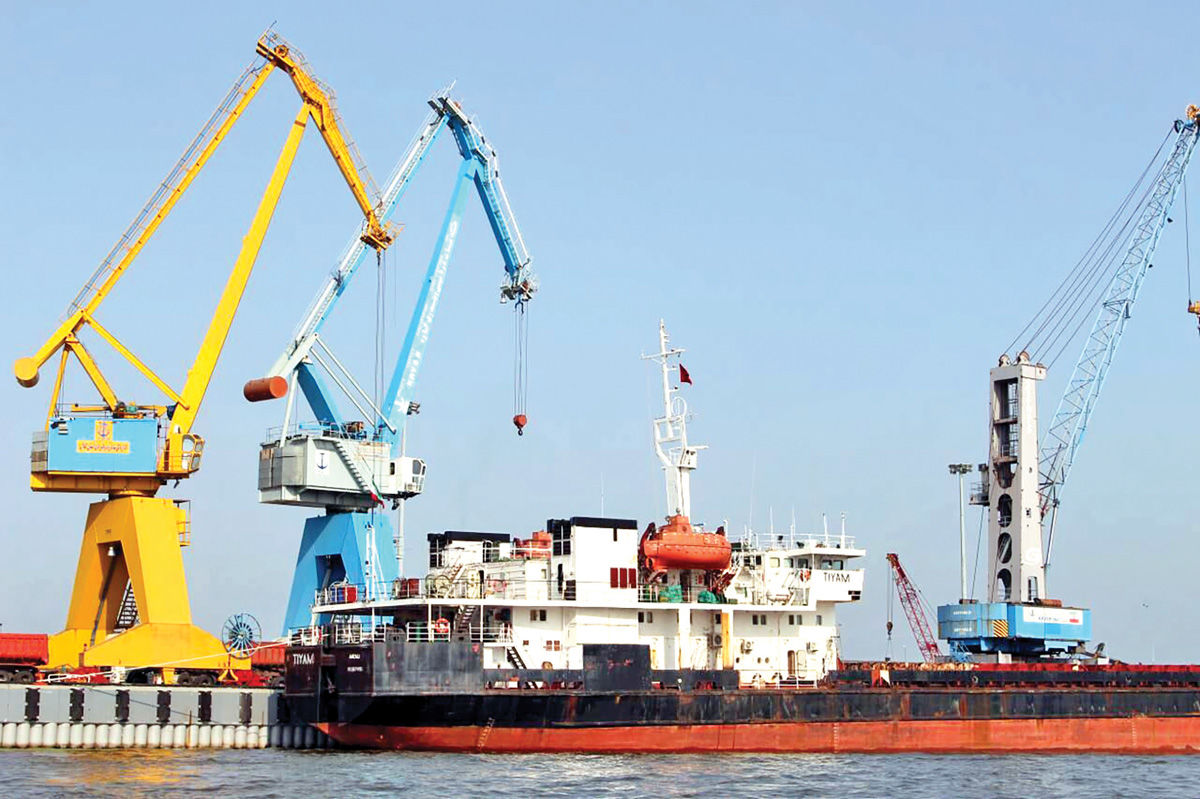
Infrastructure challenges compound the pressures. Long truck queues in Anzali and Astara, limited cold-chain capacity, and the absence of a modern testing laboratory at key border points delay shipments and raise costs.
In some cases, exported goods arriving at Astara are sent back to Anzali for mandatory testing—a process that can add a full week to delivery times. “It is an illogical cycle created simply because proper laboratory facilities are not available at the border,” Rezaeian said.
Logistics Strains
Transport links also strain under rising demand. Northern road corridors are aging and congested, imposing additional risks on agricultural exporters. Meanwhile, Iran’s long-promised North–South Corridor—intended to halve transport time between the Persian Gulf and Russia—remains only partially operational. Recently completed projects, such as the Aras bridge with Armenia, offer promise but do not yet compensate for broader logistical gaps.
Despite these constraints, demand from Russia and other northern neighbors remains strong for products ranging from clinker and cement to tea, dried fruit, vegetables and rice. But the long-term trajectory, traders warn, depends on policy reform. “Target markets have clear demand, but domestic bottlenecks prevent us from using this opportunity,” Rezaeian said.
Analysts argue that Iran’s northern trade is caught between rising demand outside its borders and policy mismatches inside them.
A unified exchange rate, elimination of overlapping regulations, investment in modern border laboratories and completion of northern logistics projects could significantly lift Iran’s regional trade role. The challenge, they say, is not a lack of capacity—but a misalignment between opportunity and policymaking.