
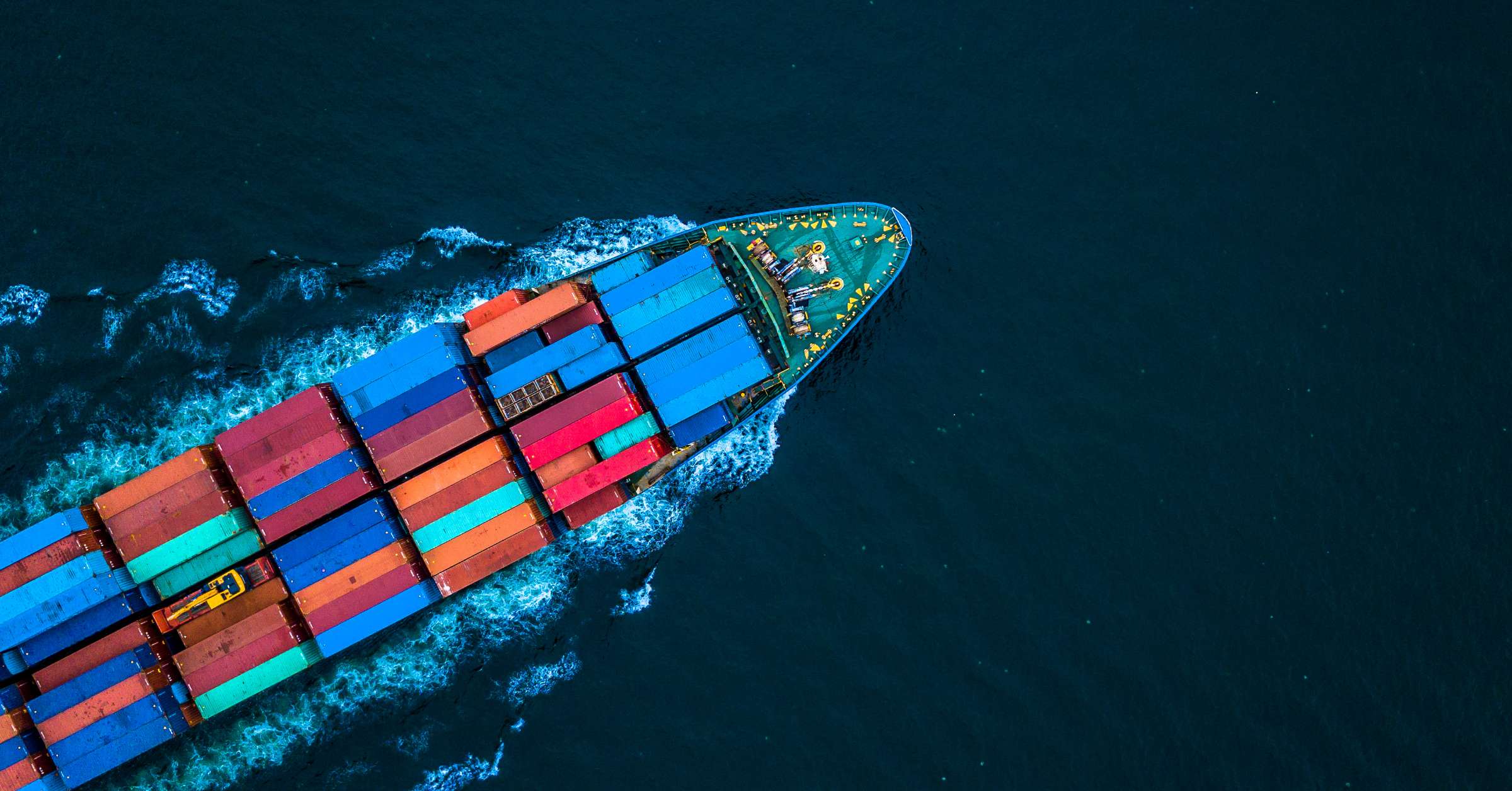
Iranian manufacturers are increasingly turning to exports of raw and semi-processed goods as domestic demand falters, creating a structural shift in the country’s production chains.
Analysts attribute this trend to a combination of weak purchasing power, chronic inflation, and strict foreign exchange regulations, which have left the domestic market partially inactive and forced upstream producers to seek alternative revenue streams abroad—even if these sales carry limited value-added.
Trade data from the first seven months of the current Iranian year (March–October 2025) underscores this shift. Non-oil exports totaled 91.9 million tons valued at 32 billion dollars, marking a 3.2% rise in volume but a 1.9% decline in dollar value compared with the same period last year. The contrast highlights a growing emphasis on exporting raw materials rather than finished products.
Keyvan Kashfi, board member of the Iran Chamber of Commerce, explained: “Production units are facing two crises. Those relying on imported inputs struggle with complex FX procedures and administrative hurdles. Others sourcing domestically see a sharp drop in internal demand, leaving them with excess supply. The only outlet is exports, which, while underutilized, are markets created externally and require no additional domestic investment.”
Kashfi emphasized that decades of investment in completing production chains have not shielded firms from domestic recessions. “Businesses should not rely solely on internal demand. Export access is essential for adjusting supply when local consumption falls. Exports bring hard currency and support cash flow far better than the rial.”
Obstructive Policies
Despite the necessity of exports, he noted that government policies often obstruct rather than enable trade. Measures such as mandatory currency repatriation, base export pricing, and regulatory restrictions complicate foreign sales, undermining producers’ ability to balance supply and manage surpluses during domestic downturns.
“FX and trade policies are interconnected. Weakening one link eventually impacts the whole system. Stability, coherent governance, and private-sector freedom are essential,” Kashfi said.
He also pointed out that while export duties were intended to fund downstream industries and promote value-added production, in practice they largely feed into government debt, failing to reduce the reliance on raw material exports. This misalignment has left production chains caught between low domestic demand and underutilized export potential.
Kashfi highlighted the untapped potential of Iran’s export markets. “Iran’s industries and strategic geography could enable significant global engagement. Yet, restrictive domestic policies combined with energy and FX imbalances limit this opportunity.
The country could have reached $100 billion in non-oil exports by 1402 (2023–2024), but contractionary FX policies since 1397 (2018–2019) stalled this trajectory.”
Currently, non-oil exports could offset a substantial portion of the country’s FX gap, estimated at $30–40 billion, but over the past 3–5 years, export growth has plateaued.
Kashfi concluded: “A decade of sanctions, policy shifts, and external pressures has left businesses in a limbo—neither war nor peace. This uncertainty amplifies domestic overproduction and forces reliance on low-value exports.”
In this context, Iran’s production sector is struggling with two major challenges. It must manage excess supply at home while dealing with restrictive policies that reduce the value and efficiency of exports.
Without clear and supportive trade and FX measures, low-value raw material exports risk becoming the default way to cope with weak domestic demand.